Participating Artist
Etel Adnan, Hayfa Algwaiz, Inji Efflatoun, Emilia Estrada, Nour Jaouda, Lamia Joreige, Yasmine El Meleegy, Filwa Nazer, Zayn Qahtani, Laila Tara H
Informations
April 5 → May 6, 2025
1 Place du Louvre, 75001
Paris, France
Press Release
Press
Every Morning, A Time is a group exhibition at Hatch Gallery (Paris) curated by Amina Diab, that brings together ten artists –Etel Adnan, Hayfa Algwaiz, Inji Efflatoun, Emilia Estrada, Nour Jaouda, Lamia Joreige, Yasmine El Meleegy, Filwa Nazer, Zayn Qahtani and Laila Tara H– spanning different generations whose practices are shaped by acts of assembling and reassembling. Through painting, sculpture, installation, and textile, they engage with open-ended processes of fragmentation. Repetition and cyclical rhythms emerge as methods of inquiry, where memory, material, and history are continuously reconfigured through the act of making.
Etel Adnan’s painted and written forms extend across disciplines, reflecting an insistence on mark-making as an act of presence. Hayfa AlGwaiz’s sculptural forms evoke layers of presence and absence, concealing and revealing what lies beneath. Inji Efflatoun anchors the exhibition historically, employing rhythmic expanses of white space as strategies of openness and renewal, transforming painting into a daily gesture of resistance. Emilia Estrada interrogates the nomenclature of the lunar surface as a mirror of colonial knowledge systems, reworking acts of naming as sites of erasure, memory, and speculative cosmology. Nour Jaouda works with cement, a material that holds and fixes, yet paradoxically remains fragile. Lamia Joreige interrogates history and memory through archives, images, and testimonies to uncover the omissions and ambiguities that shape historical narratives. Yasmine El Meleegy works with found materials, domestic objects, and architectural fragments to explore repair, memory, and overlooked histories. Filwa Nazer’s practice engages with veiling and unveiling, where layers of fabric obscure and reveal, resisting singular interpretations. Zayn Qahtani builds imagined ecologies offering speculative narratives about survival, spirituality, and belonging. Laila Tara H transforms individual fragments into an elaborate visual lexicon.
Across generations, these artists navigate multiple geographies, moving between cities, languages, and cultural contexts. Their works are situated across Brazil, Egypt, France, India, Iran, Lebanon, Libya, Saudi Arabia, and the UK, and their practices unfold within nomadic life journeys. This continuous movement is both a reality and a methodology that shapes the artists’ ways of seeing and re-seeing, of breaking apart and rebuilding—an ongoing process through which their practices become a form of world-making. Together they employ different ways of documenting, mapping, and reclaiming space, to navigate and chart new cartographies. The works trace, stitch, draw and redraw lines, collect and reconfigure materials, embodying a process that reconfigures meaning over time.
The artists operate in in-between spaces—between cultures, between past and present, between the tangible and the intangible, the seen and the unseen. Every Morning, A Time focuses on what they create and sustain in these spaces: the daily rituals of making, inherited techniques, and repeated gestures of care and resistance.
Courtesy Amina Diab
Read more
Etel Adnan’s practice spanned painting, poetry, and prose, reflecting a lifelong devotion to mark-making as presence. Her repeated renderings of Mount Tamalpais and use of leporello notebooks establish a rhythm—both cosmic and intimate. Through her serial approach, Adnan transforms observation into ritual, showing how quiet, persistent acts of creativity can hold memory, resilience, and light.
Hayfa AlGwaiz explores repetition and duality through the lens of cultural attire and personal space. Trained in architecture, she brings structured, precise forms into her paintings, which often depict domestic interiors and the abaya—a garment that conceals as much as it reveals. Through her use of opacity, layering, and motif, AlGwaiz reflects on the boundaries between private and public, interior and exterior, presence and absence.
Inji Efflatoun (1924–1989) was a pioneering Egyptian painter, feminist, and political activist whose life and work exemplify the convergence of artistic expression and revolutionary resistance. A founding member of Egypt’s modern art movement, Efflatoun initially explored surrealism before developing a figurative style grounded in social realism. Her paintings document the lives of working-class women, political prisoners, and rural communities, often drawn from her own experience of incarceration under Nasser’s regime. Vivid, gestural brushwork and bold compositions lend urgency to her depictions of struggle and solidarity. Efflatoun viewed art as both personal emancipation and public testimony—insisting on painting from within life, not outside it. Her presence in this exhibition anchors an intergenerational dialogue and situates repetition as a political and poetic gesture of survival, bearing witness, and collective memory.
Emilia Estrada explores colonial narratives, speculative mapping, and cosmic geographies through drawing, sculpture, and installation. Her recent work engages with the naming of lunar craters and the impulse to claim, rename, and extract meaning from land and sky alike. Through poetic and archival research, she draws connections between the nomenclature of the moon’s surface—its 'seas,' craters, and mythical cartographies—and the colonial naming of the 'New World.' Her visual language moves between delicate crater drawings, 3D-printed objects, and shrine-like sculptures, incorporating animist and astronomical references that challenge Western scientific objectivity. Across these works, she meditates on grief, displacement, and the cyclical passage of time, offering quiet resistance through material storytelling. From crater to coastline, the moon becomes a mirror of Earth’s colonial scars—fragmented, reimagined, and imbued with memory.
Nour Jaouda’s practice physically embodies the interplay of fragments and unified rhythms. Working primarily with textiles, she cuts, dyes, and stitches fabrics sourced from cities significant to her—like Cairo and London—into large-scale wall hangings. Through these tactile and architectural installations, she creates “landscapes of memory” that blur the line between personal ritual and cultural legacy.
Lamia Joreige uses archival documents, testimonies, and painterly abstraction to investigate Lebanon’s fractured history and collective memory. Her works resist linear narratives, offering instead layered visual texts that foreground erasure, omission, and multiplicity. For Joreige, the fragment is both necessity and strategy—an invitation for viewers to participate in reassembling meaning.
Yasmine El Meleegy works with found materials, domestic objects, and architectural fragments to explore repair, memory, and overlooked histories. Her installations often inhabit the liminal space between private ritual and public intervention. She reactivates materials through acts of mending and reconstruction, treating domesticity as a lens for broader social and spatial inquiries.
Filwa Nazer engages repetition through textile processes rooted in her background in fashion. Using materials like tulle, muslin, and industrial netting, she layers garment fragments into abstract compositions that reference architectural plans and personal histories. Her method—cutting, stitching, assembling—echoes acts of care, transition, and transformation, particularly within the context of Saudi womanhood.
Zayn Qahtani’s work inhabits mythical terrains that hover between the terrestrial and otherworldly. Through painting and sculpture, she builds imagined ecologies that reference ritual, ancestry, and environmental knowledge. Her installations function as dreamlike constellations, offering speculative narratives about survival, spirituality, and belonging. Qahtani incorporates recycled bioplastics, natural pigments, and repurposed materials into her work, aligning her practice with sustainable methods that echo the cyclical rhythms of nature and the spiritual afterlives of matter.
Laila Tara H creates intricate, often multi-part works on paper that draw on Indo-Persian miniature painting traditions. Through repeated motifs—faces, hands, suns, and flora—she constructs a visual lexicon that reads like a personal cosmology. Her works highlight the tension between dense ornamentation and empty space, the fragment and the whole, as a metaphor for diasporic life and domestic rituals.
Read more
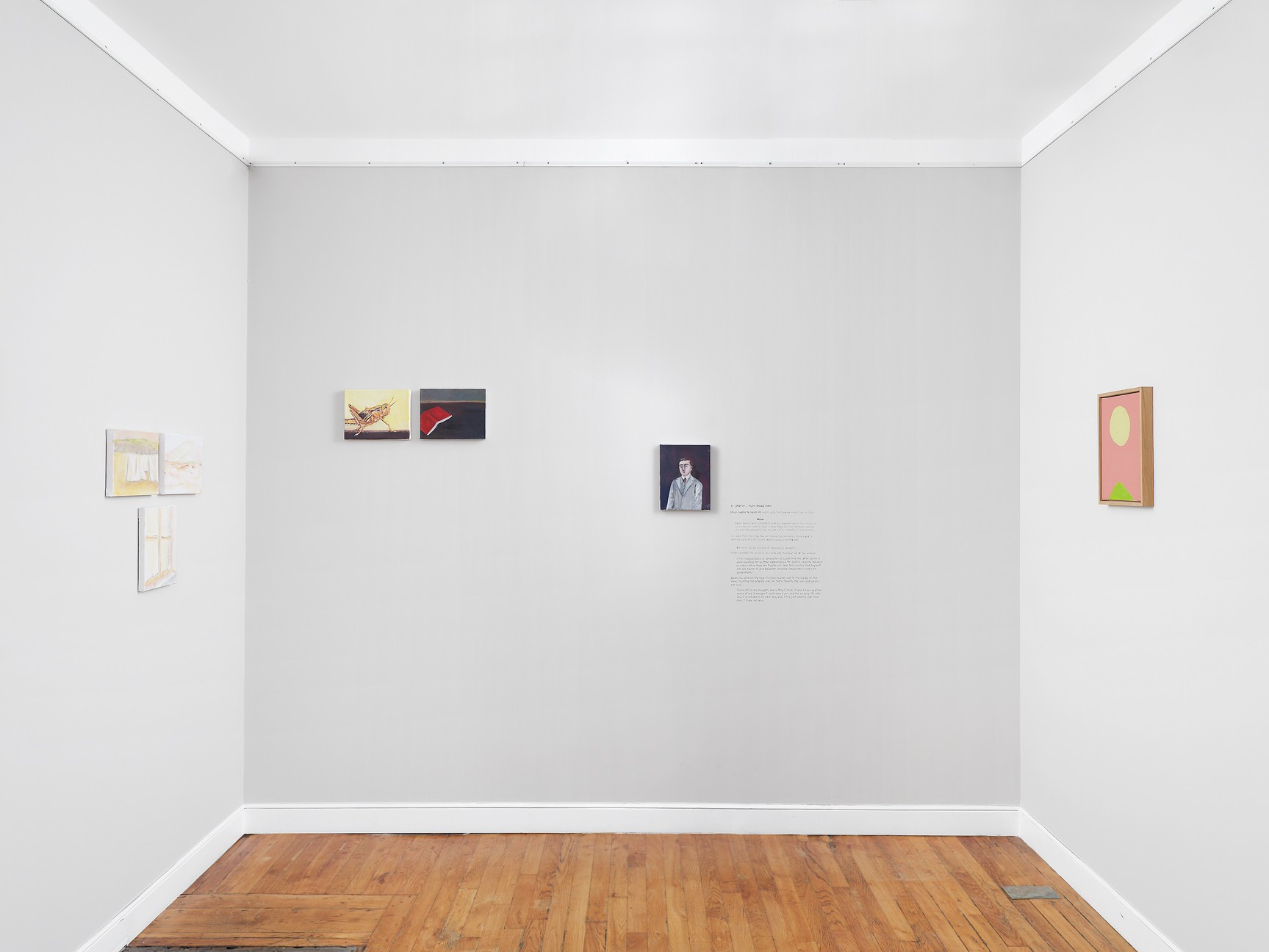
Installation view, 'Every Morning, A Time', Hatch Gallery, Paris, 2025. © Aurélien Mole. Courtesy of the Artists and Hatch Gallery.
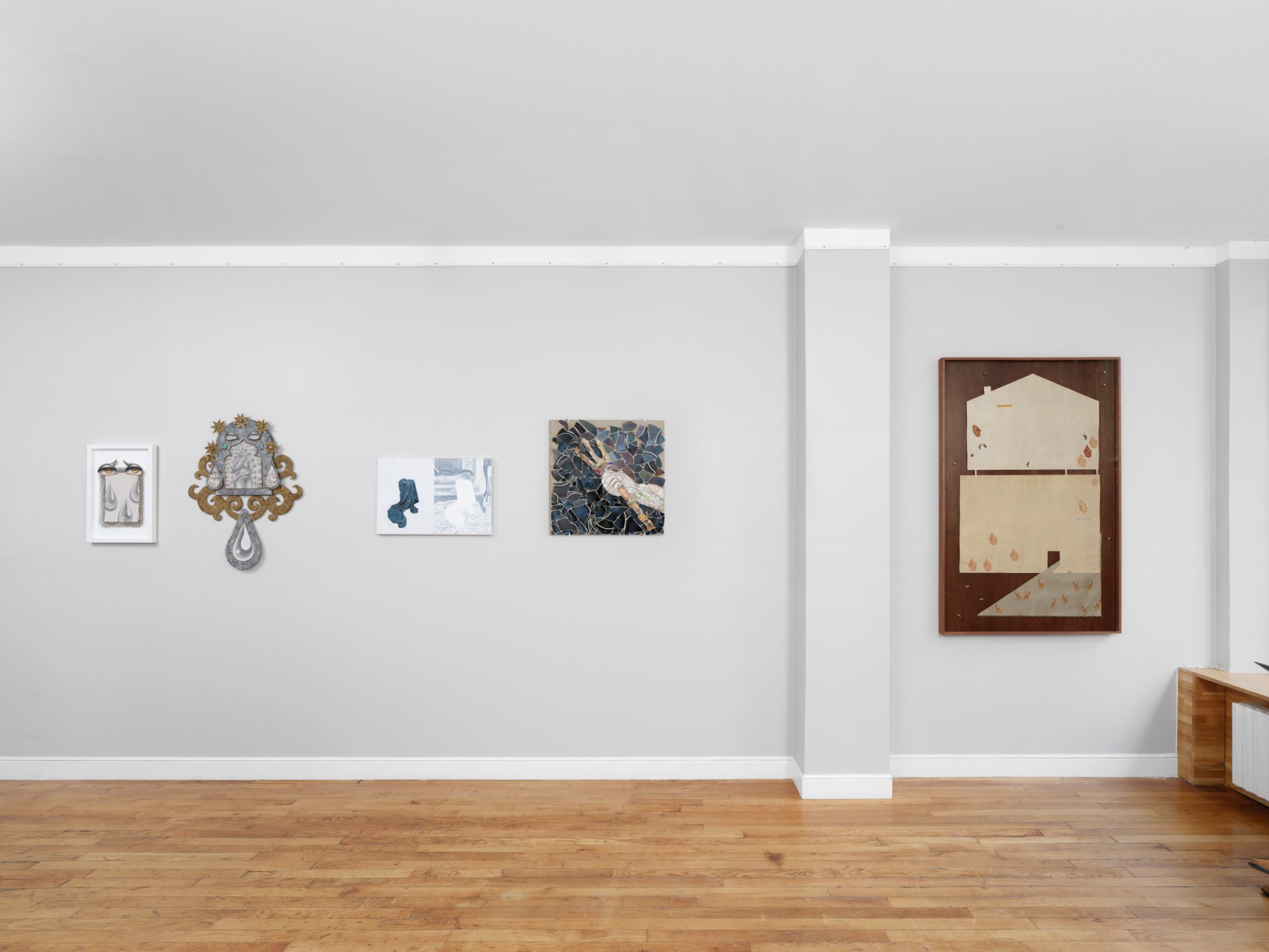
Installation view, 'Every Morning, A Time', Hatch Gallery, Paris, 2025. © Aurélien Mole. Courtesy of the Artists and Hatch Gallery.
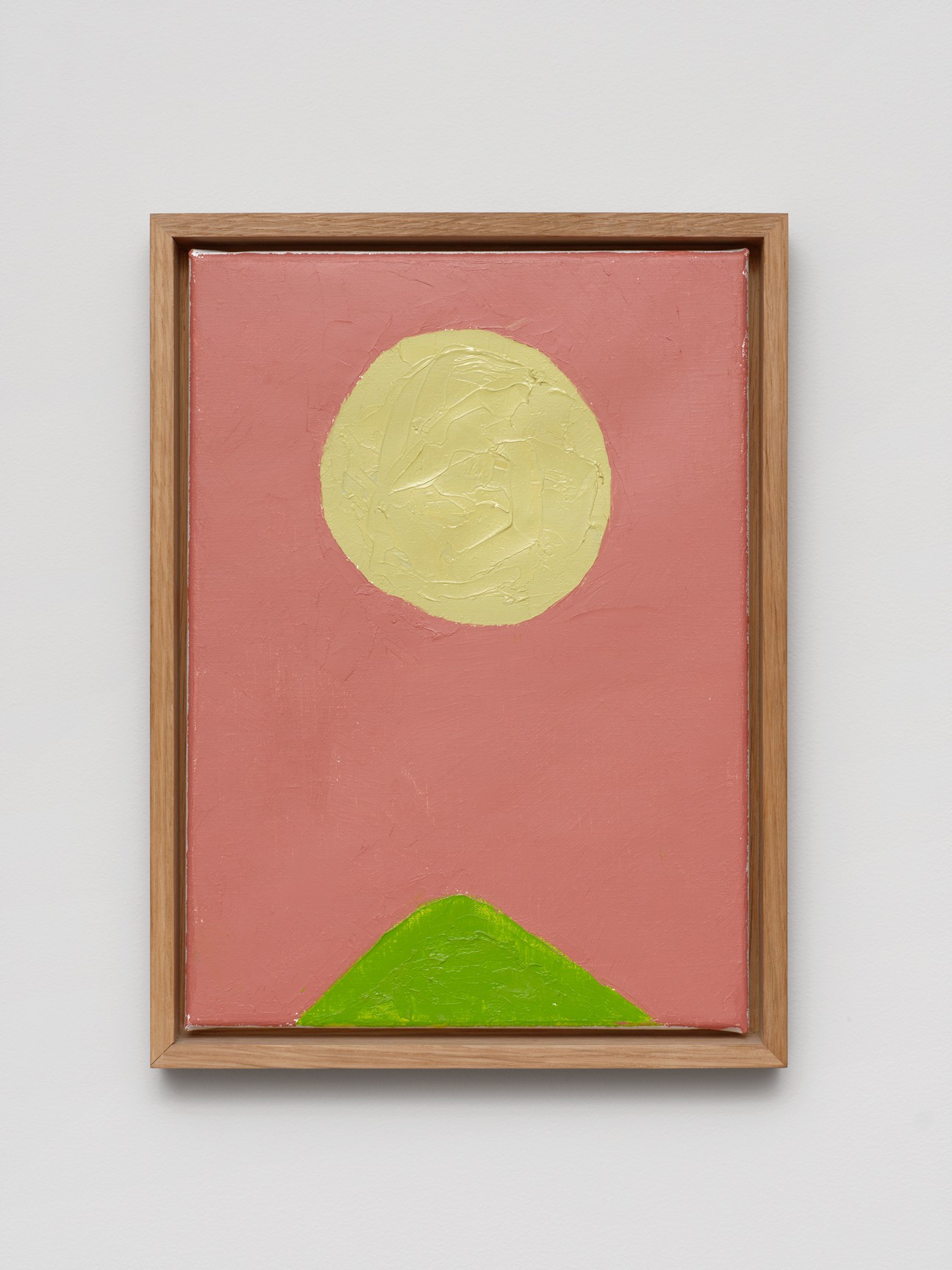
Etel Adnan
Le poids du monde 37
2019
From the series ‘The Weight of the World’
Oil on canvas
33 x 24 cm
Courtesy Private Collection
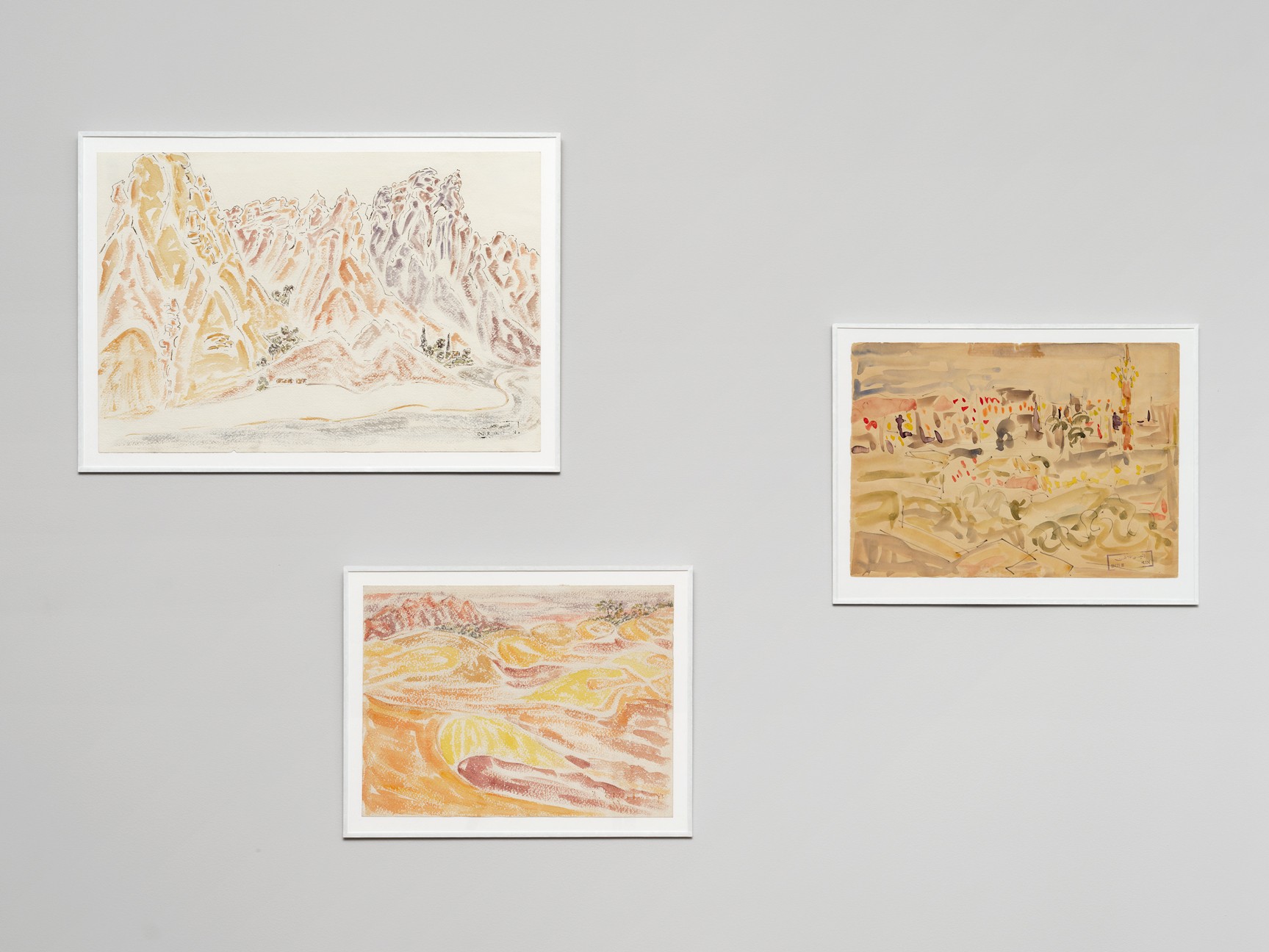
Installation view, Every Morning, A Time, 2025, Inji Efflatoun (details).
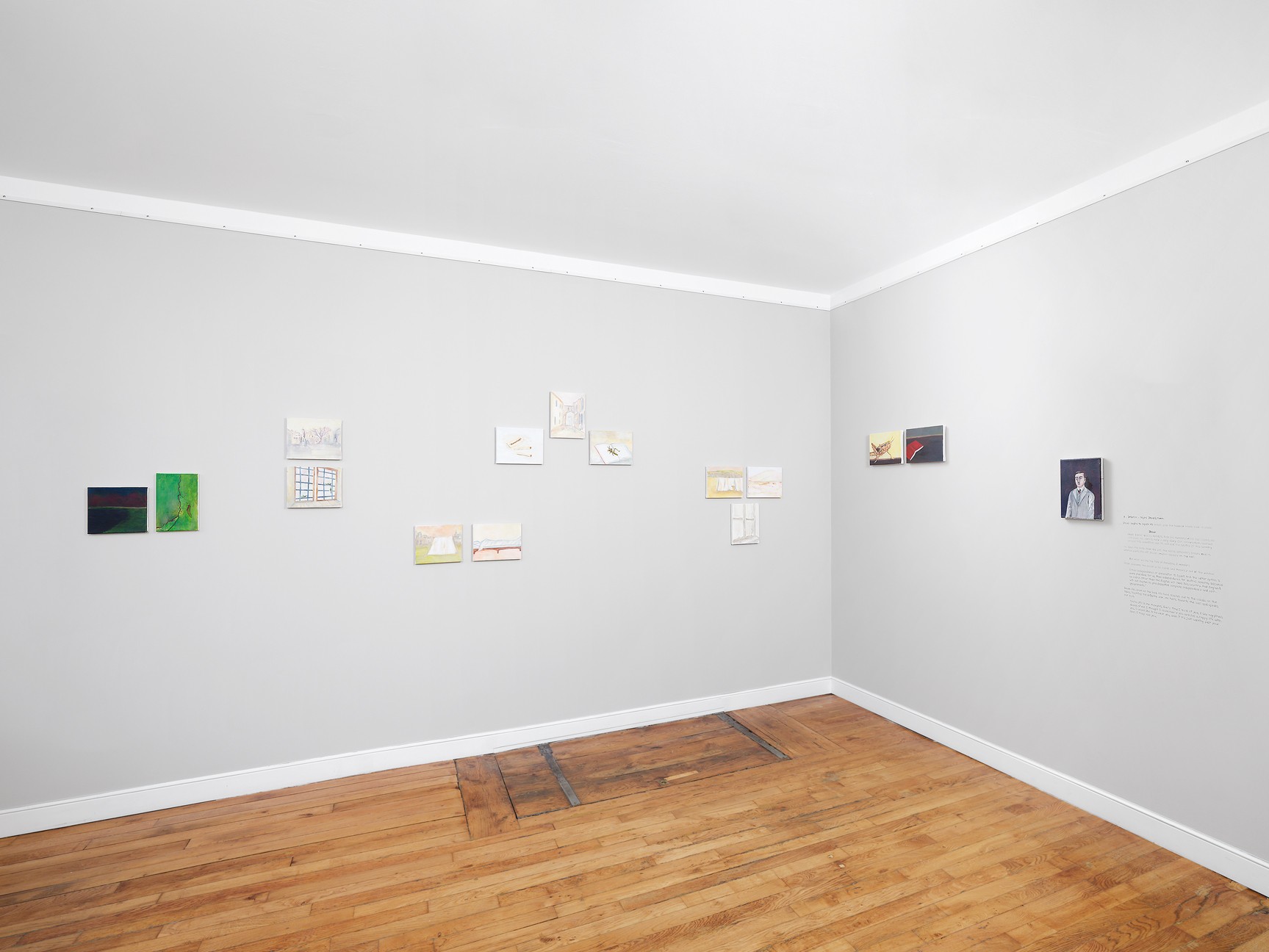
Installation view, Every Morning, A Time, 2025, Lamia Joreige (details).
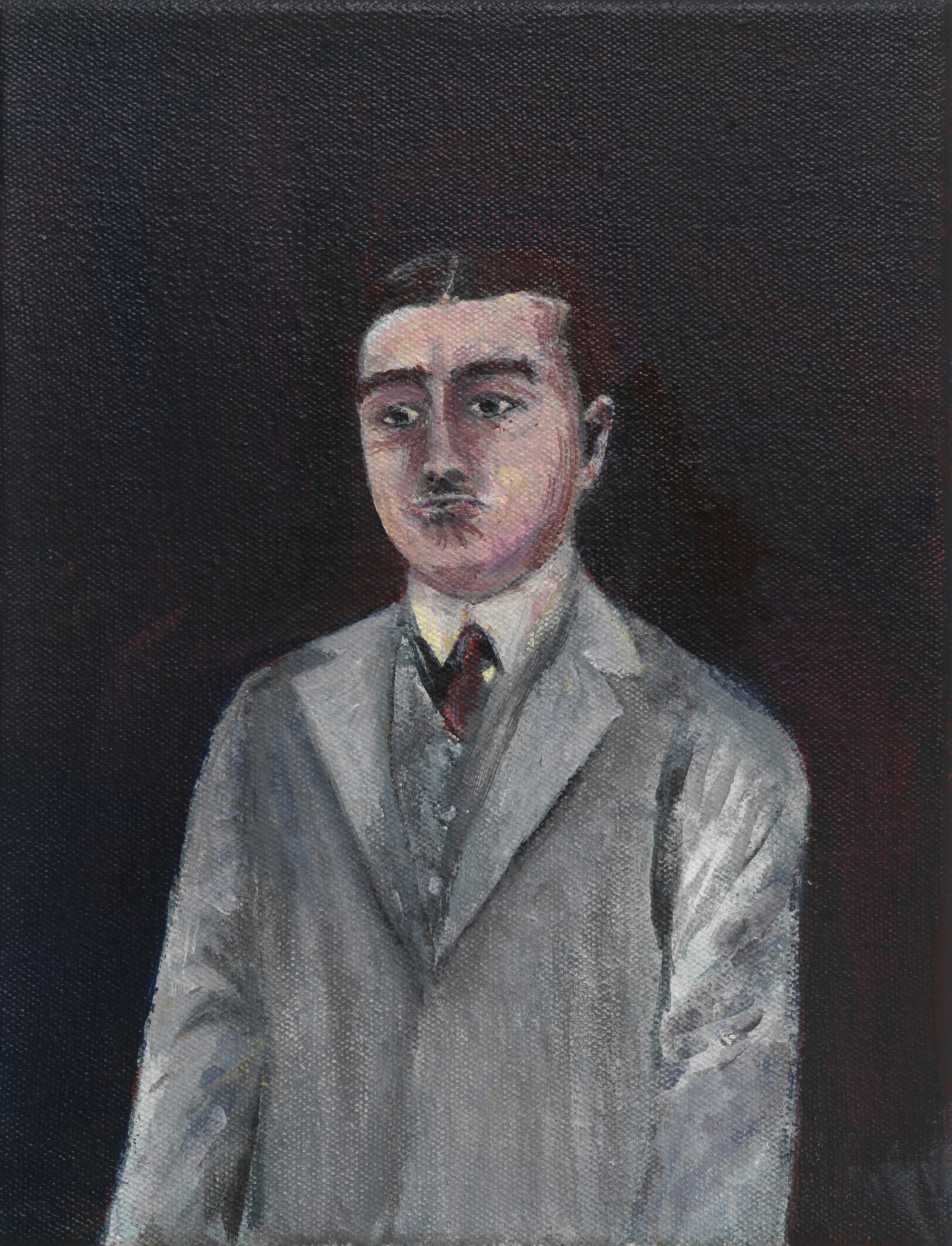
Lamia Joreige
Background for a Script
2024
From the series 'Uncertain Times'
Oil on canvas
Variable size
Edition of 15
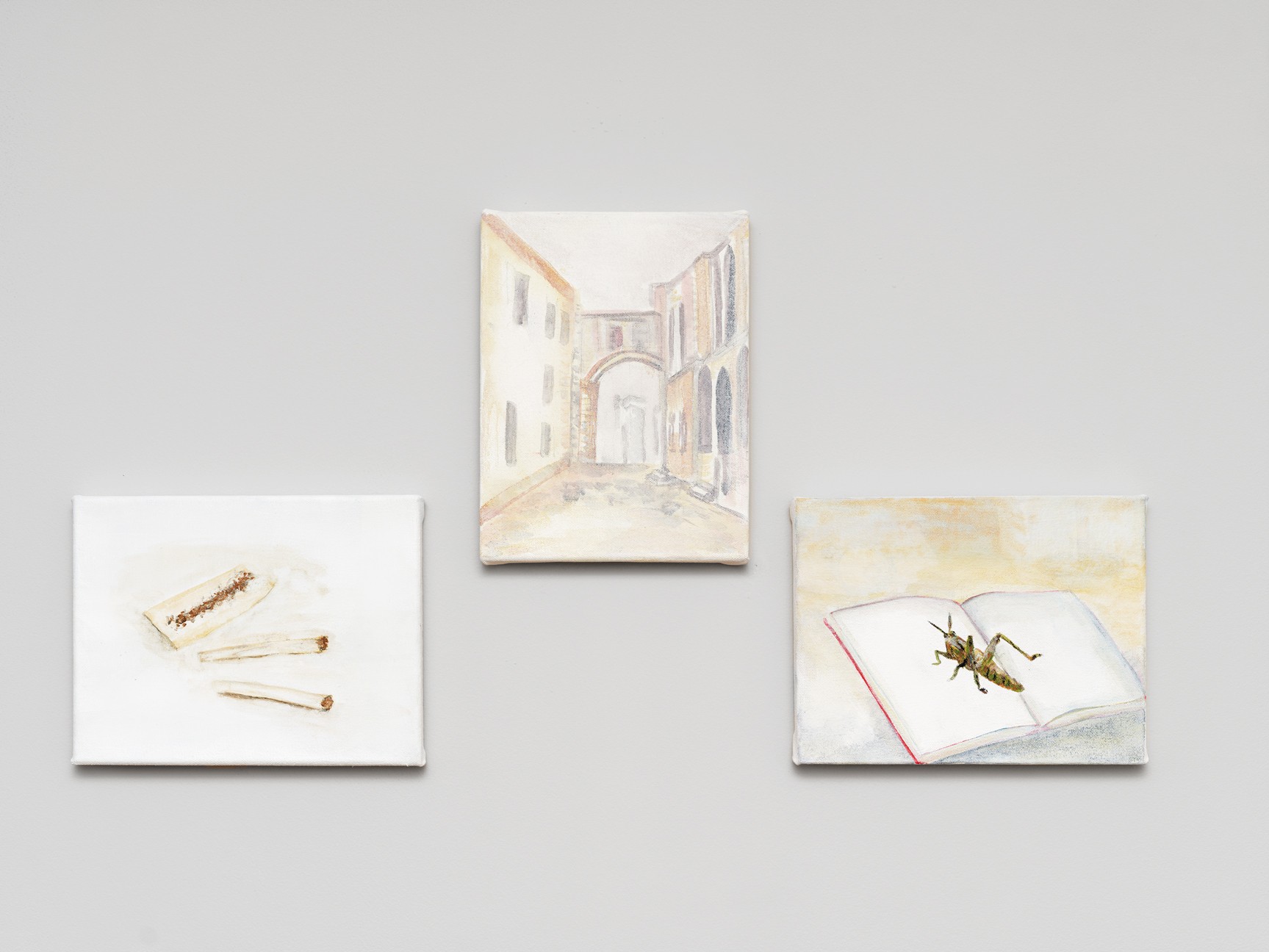
Installation view, Every Morning, A Time, 2025, Lamia Joreige (details).
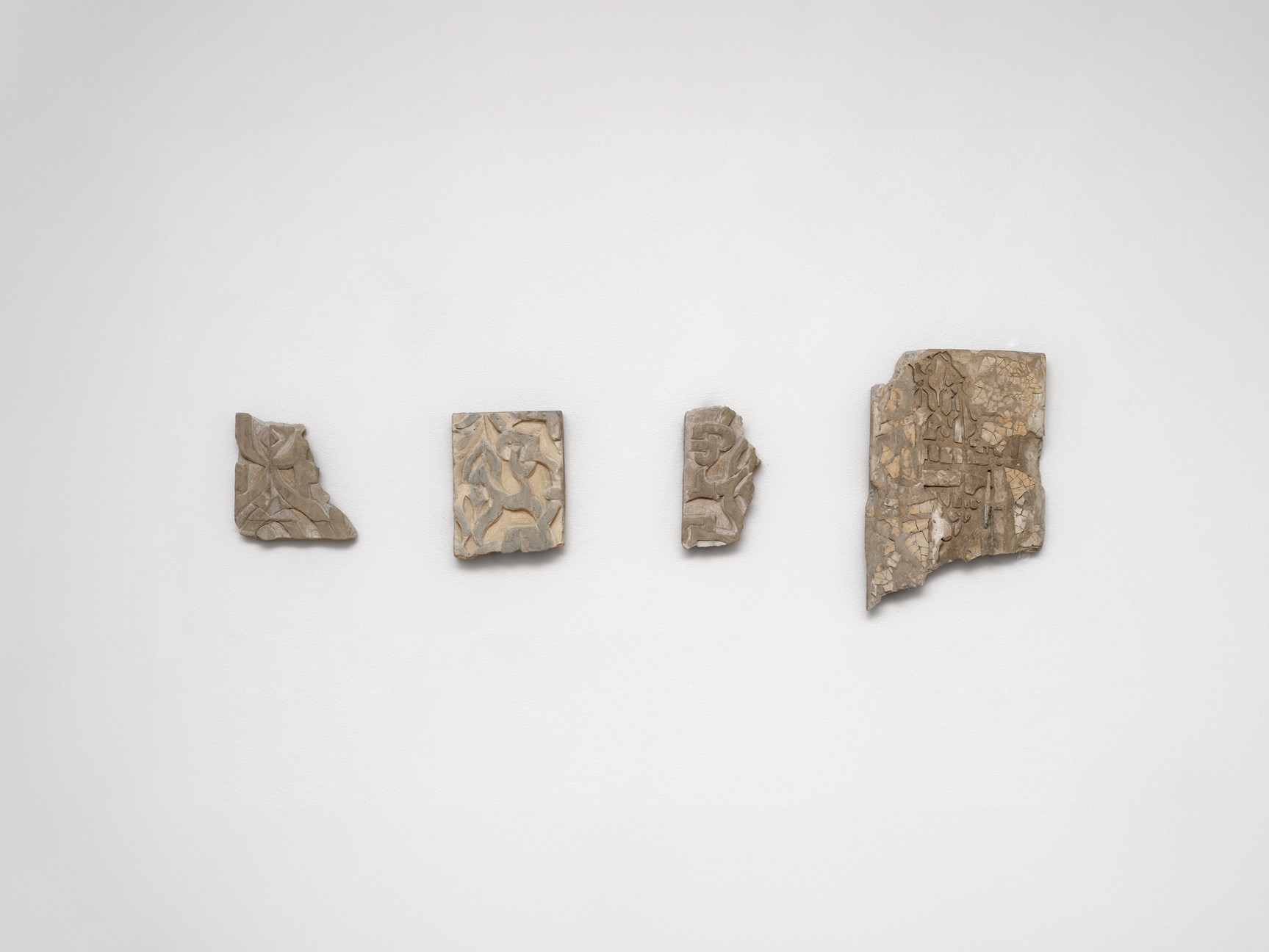
Nour Jaouda
Untitled
2025
Cement relief
Variable Size
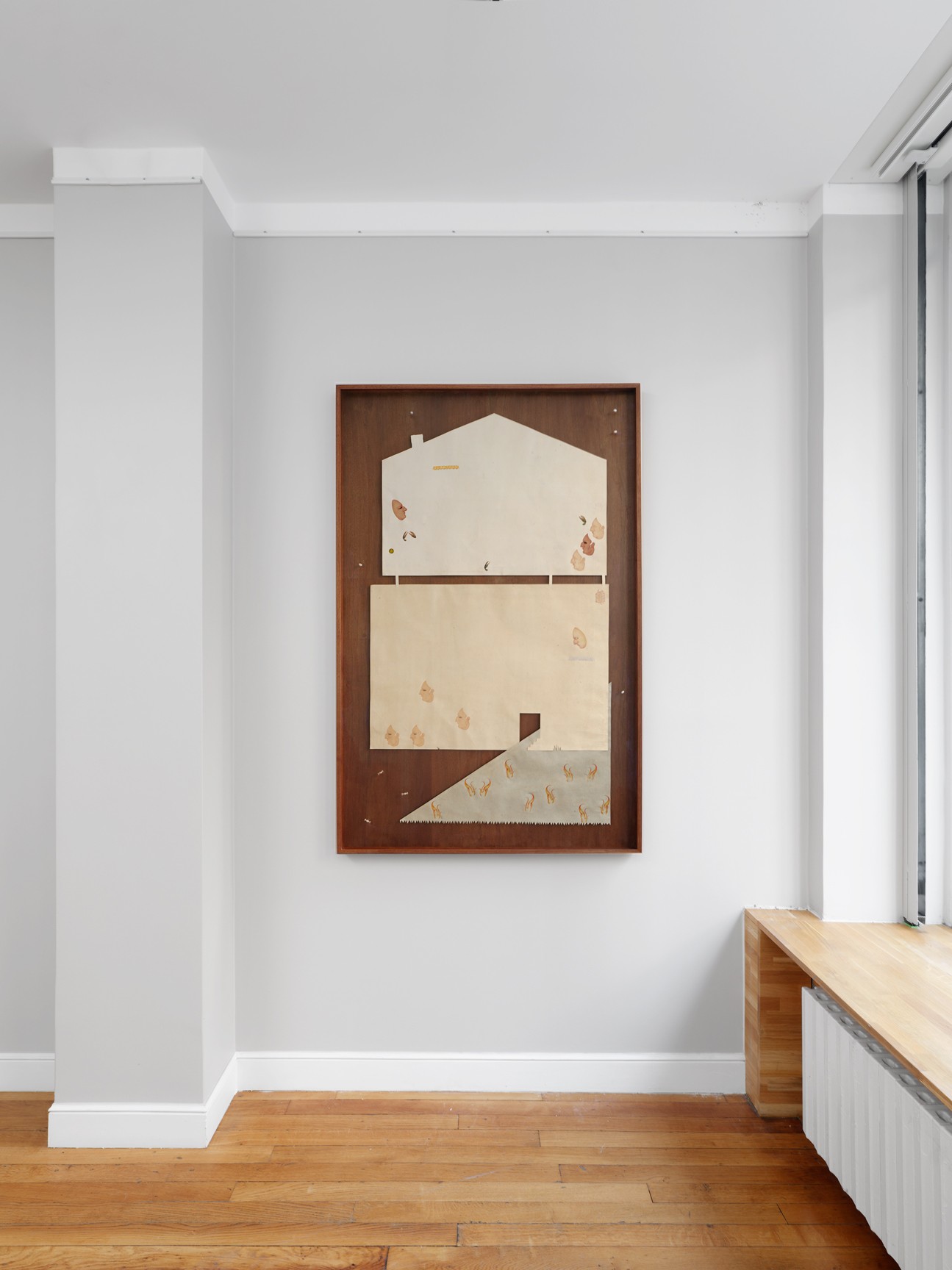
Laila Tara H
(un)safeguard the sweetest in our dirt
2023
Walnut veneer on mdf, gold pins, silver cast objects, freshwater pearls, mother of pearl, conservation grade pva, natural pigment, watercolour, handmade hemp paper (dyed in indigo, beetroot, onion, walnut)
145.5 x 94.3 cm
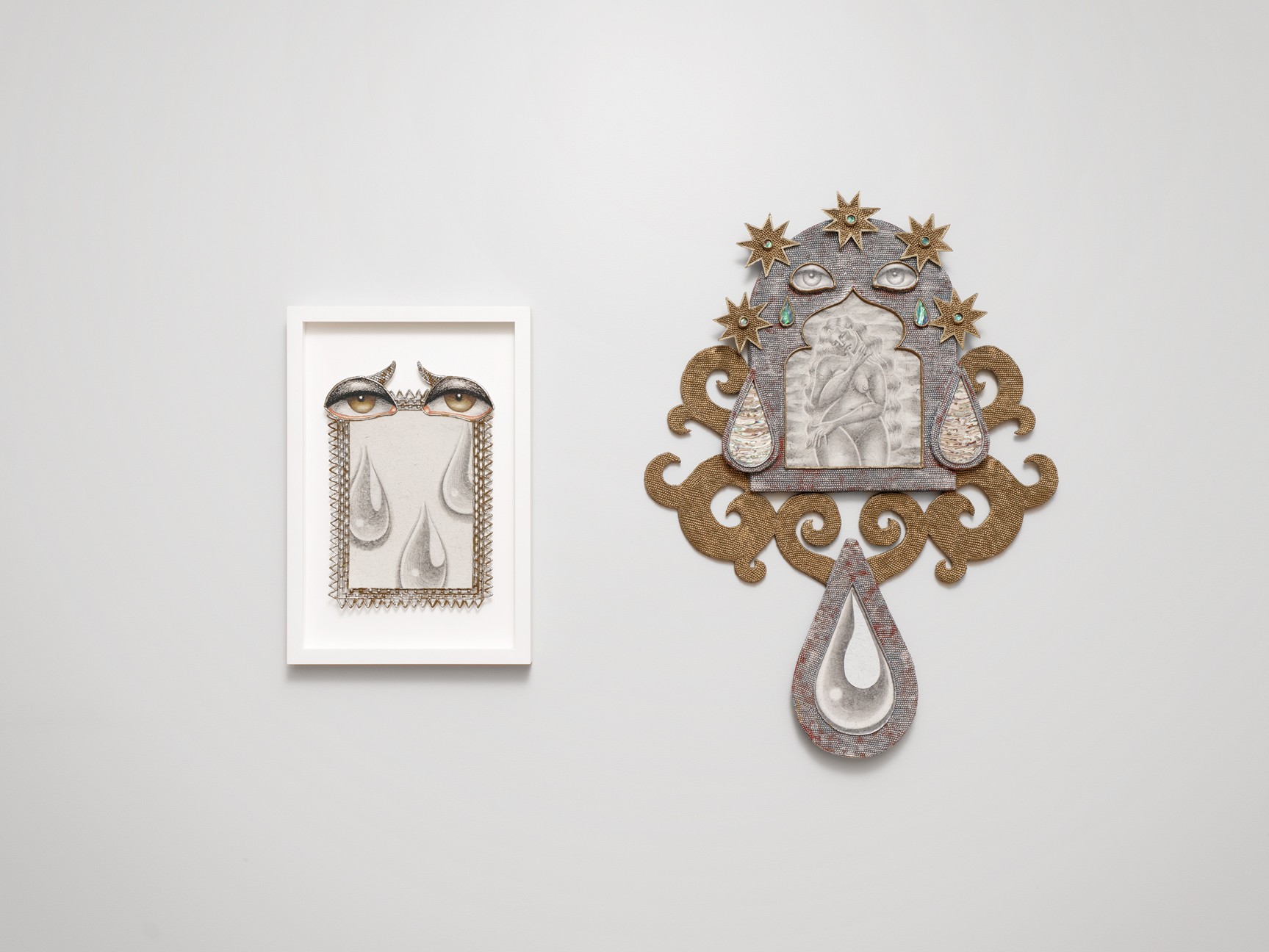
Installation view, Every Morning, A Time, 2025, Zayn Qahtani (details).
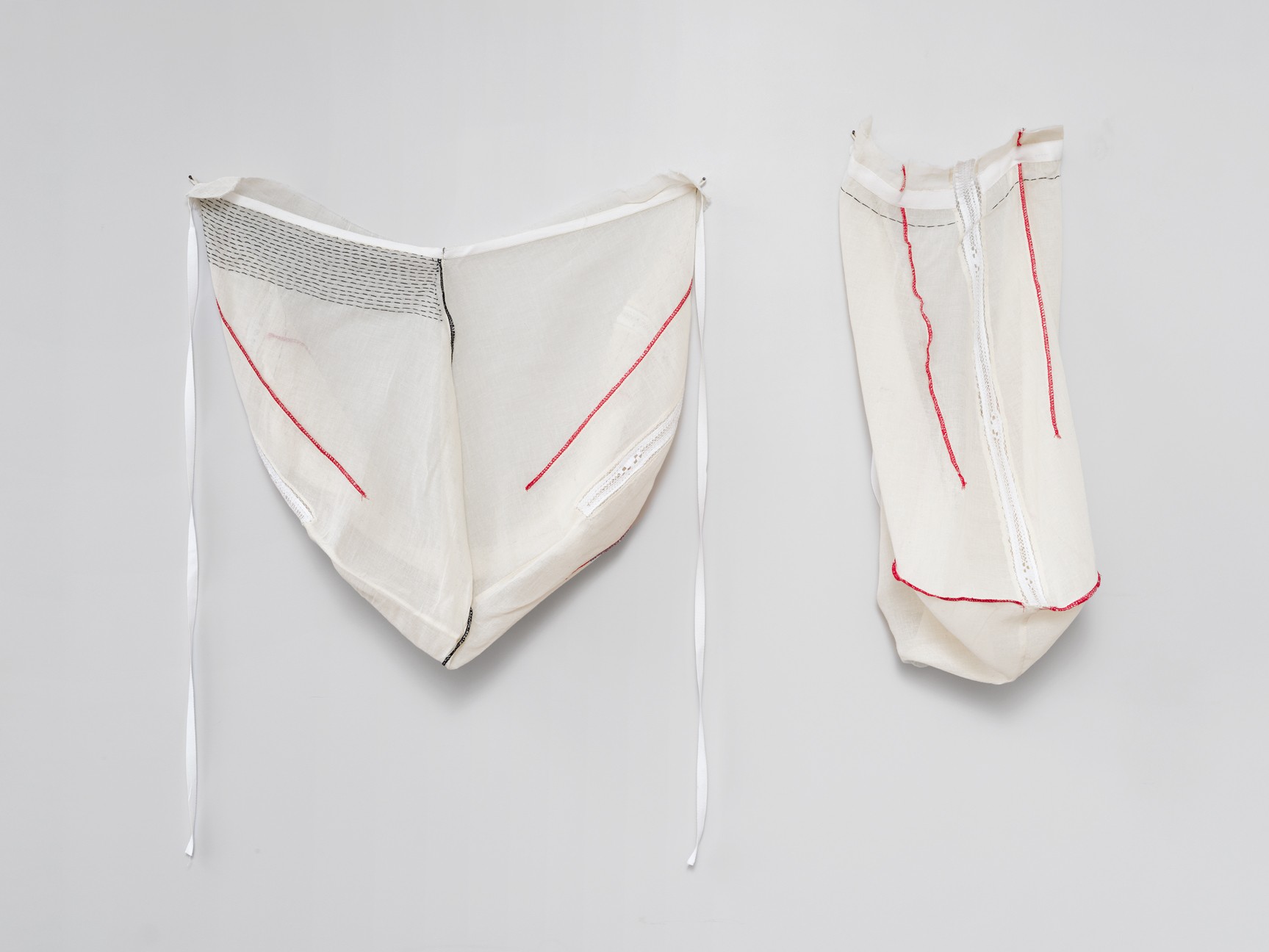
Filwa Nazer
Extension 1 and Extension 2
2019
From the series ‘Sites Unknown’
Muslin cotton
Variable size
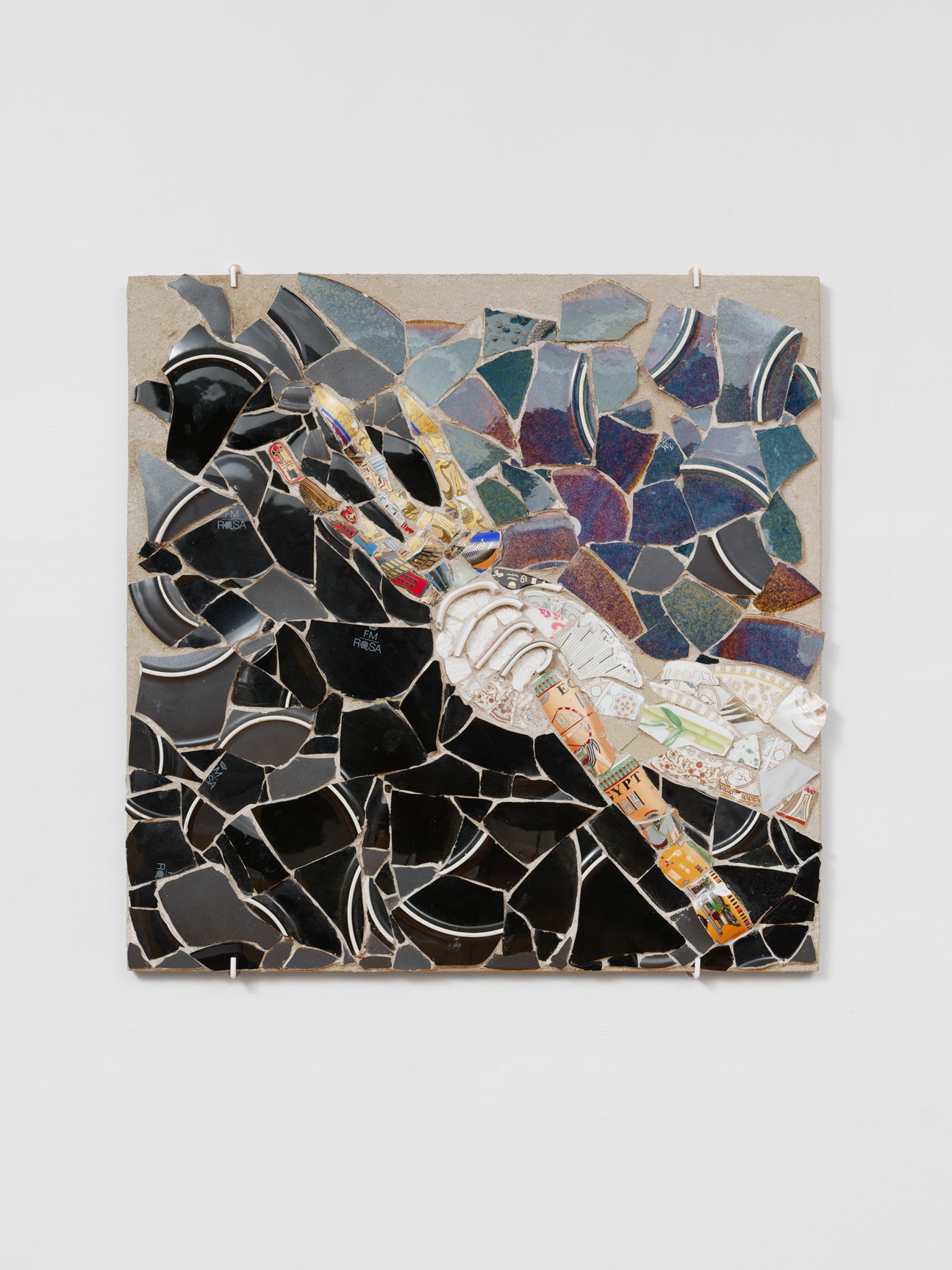
Yasmine El Meleegy
Untitled (Bab El Louq)
2022-2023
Porcelain, wood, and binding
60 x 60 cm